Baldwin Lake Ecological Reserve

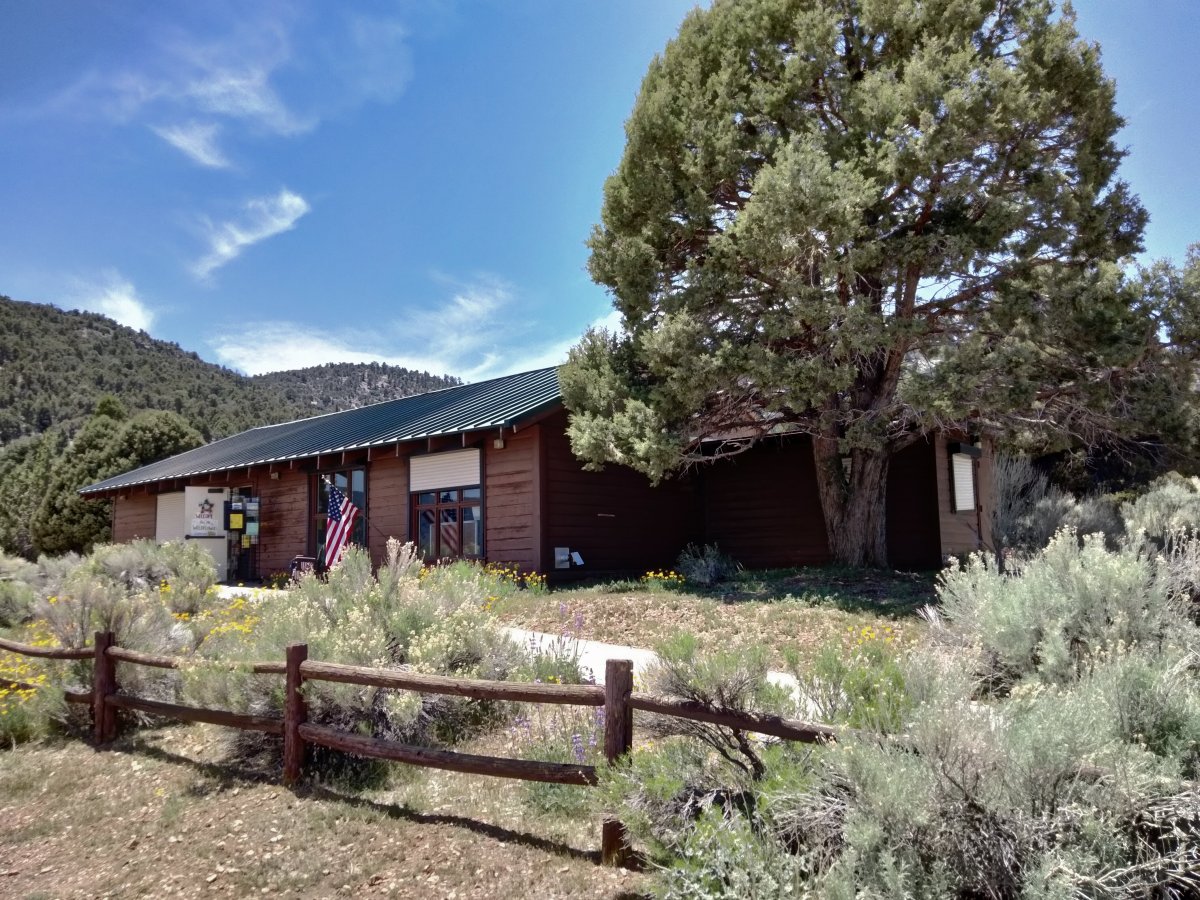
Big Bear Valley lies at the northeast end of the San Bernardino Mountains in California at an elevation of about 6,750 feet. In the east part of the valley there is a building of the Baldwin Lake Ecological Reserve. We have passed by this many times during our stays at Big Bear and it seemed to be closed but on Memorial Day weekend in 2025 there were people there so we decided to stop and check it out. What we found there is a unique area that supports a high concentration of rare and endangered plants some of which grow nowhere else in the world.
When we stopped there were volunteers at the Baldwin Lake Ecological Reserve building giving tours of the reserve and answering questions. Apparently they only do this some Saturdays in spring and early summer which is why we have not noticed people there before. The California Fish and Game Department purchased an 156-acre area near the building from the Nature Conservancy in 1989 and designated the area as an ecological reserve in 1991. The building is also used by the staff of the Fish and Game Department which manages the reserve.
During the Ice Age, some 18,000 to 20,000 years ago, the Big Bear area was covered by a large lake with treeless shores where little alpine plants grew. The Ice Age lake diminished until only the Baldwin Lake area remained. Trees grew in much of the valley but there were some areas where the clay soils are too hot and dry in the summer months, making it difficult for pine seedlings to become established. In some of these areas the winter freezing and thawing of the ground caused cobbles to be pushed to the surface forcing the plants to float on top. These areas were nicknamed pebble plains because of the orange and white quartzite pebbles. In the picture these pebbles can be seen. Also note the tree border which is the end of this area of the pebble plain.

This is an Ash Grey Indian Paintbrush (Castilleja cinerea) which is one of the endangered plants where it is known only to be found in the San Bernardino Mountains. The flowers can be yellow or red. It can get some of its nutrients by tapping into nearby plants.
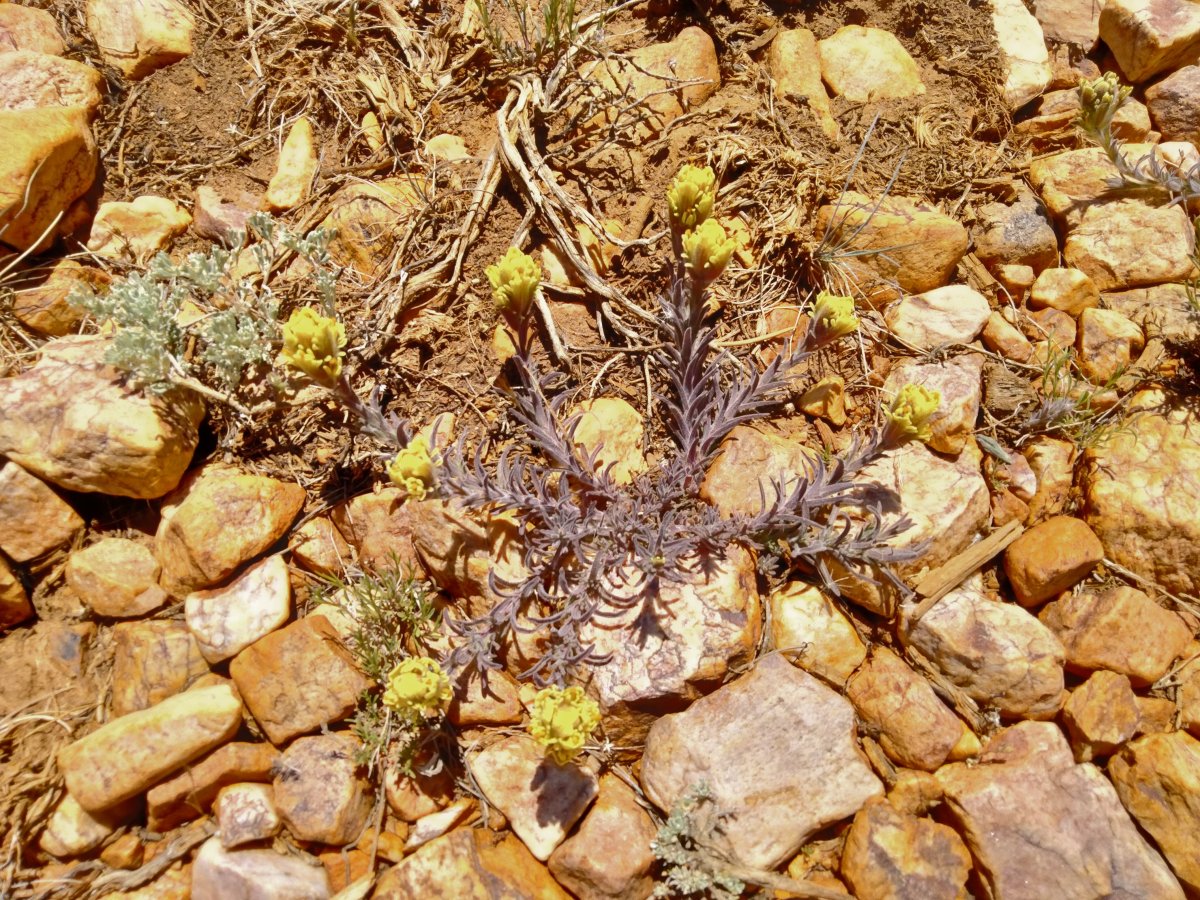
Most of the plants in the pebble plains have foliage with small leaves which are gray-ish in color. These reflect the harsh summer sunlight and reduce water loss.
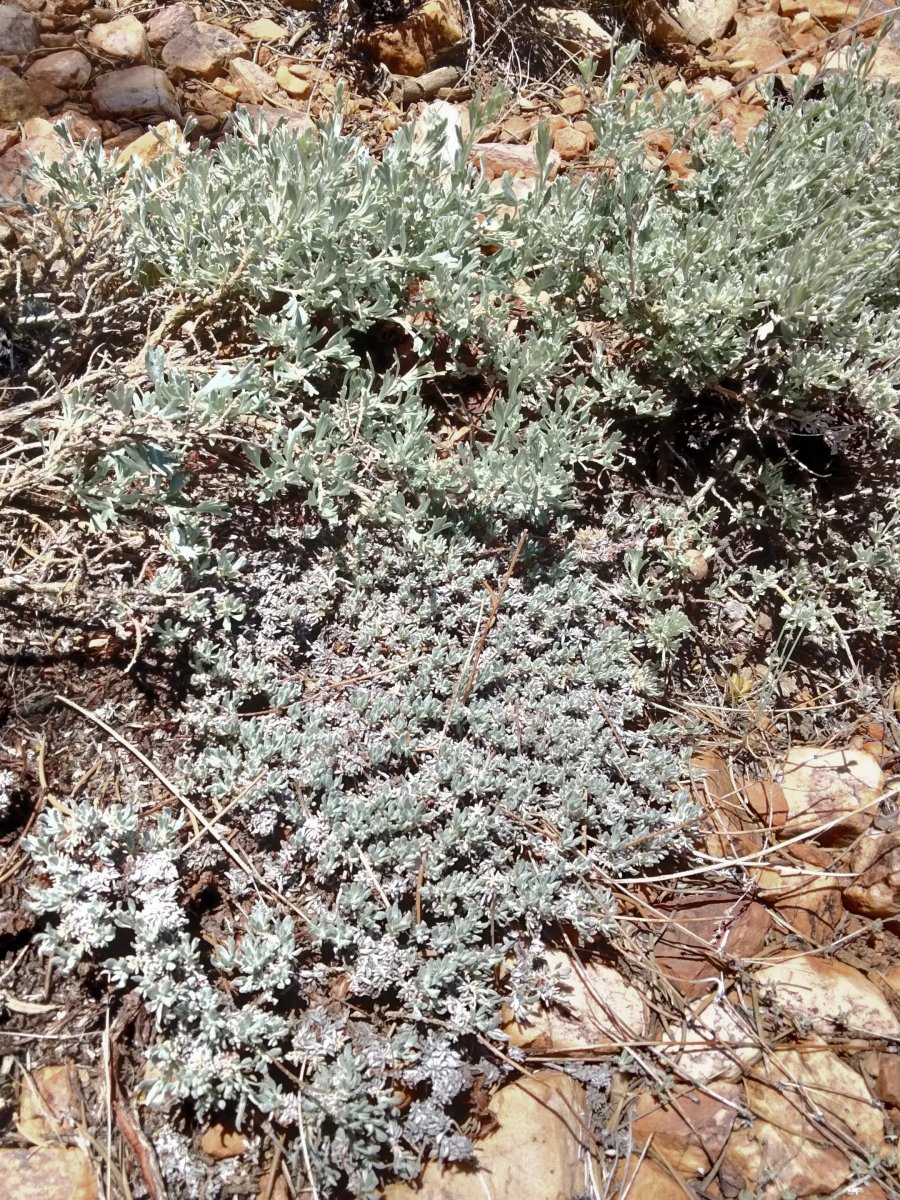
Some of the plants have been called “belly plants” because of their tiny stature that needs close viewing to properly observe them. One can also hold the camera close as I did.
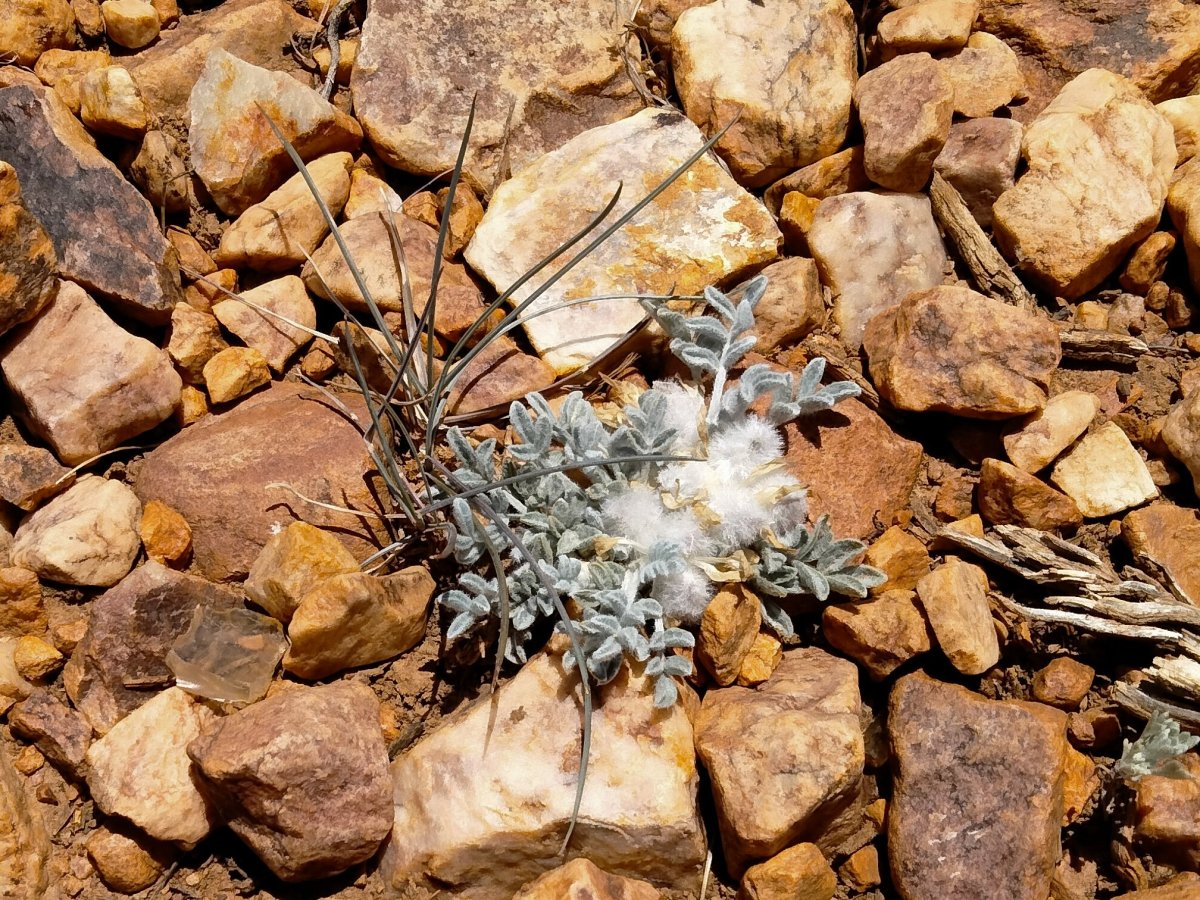
There were a few Parish’s Daisy (Erigeron parishii) another of the threatened plants.
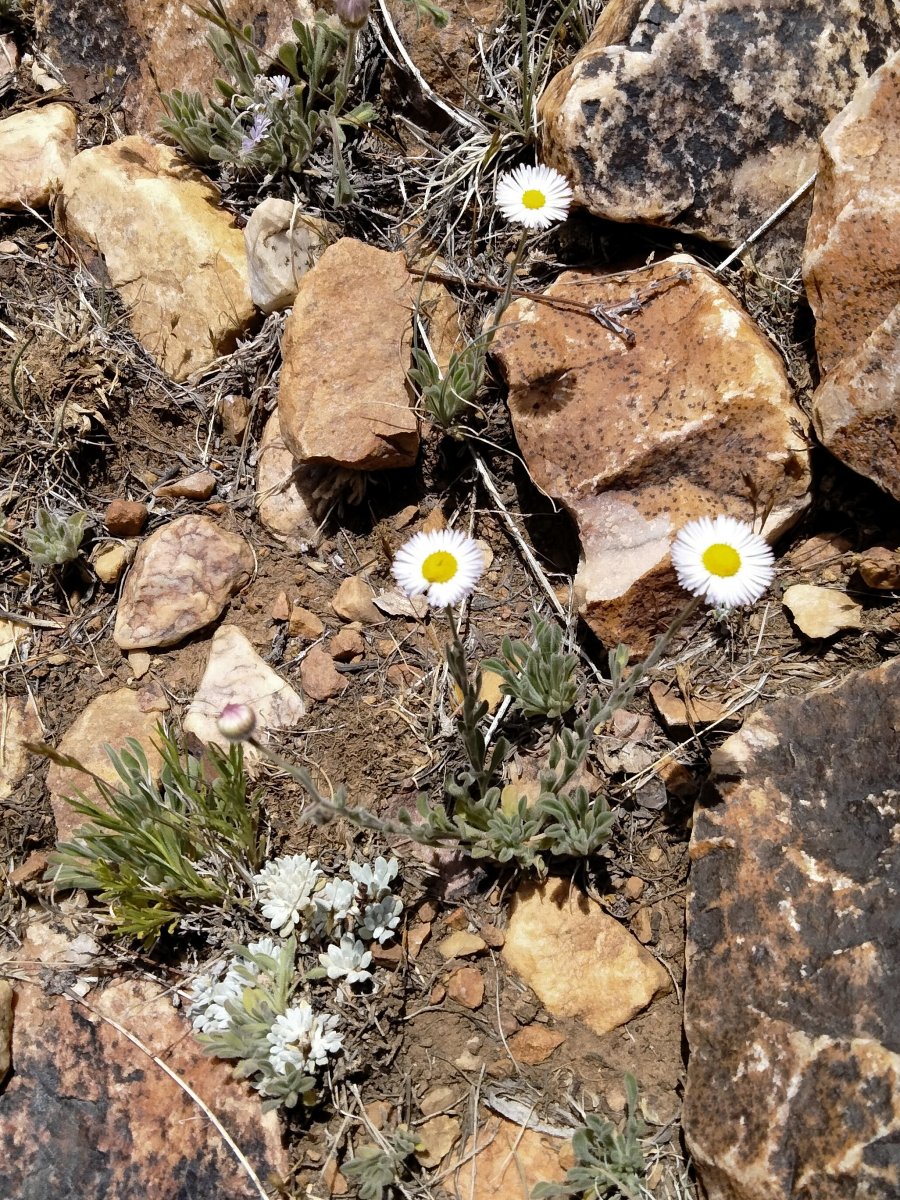
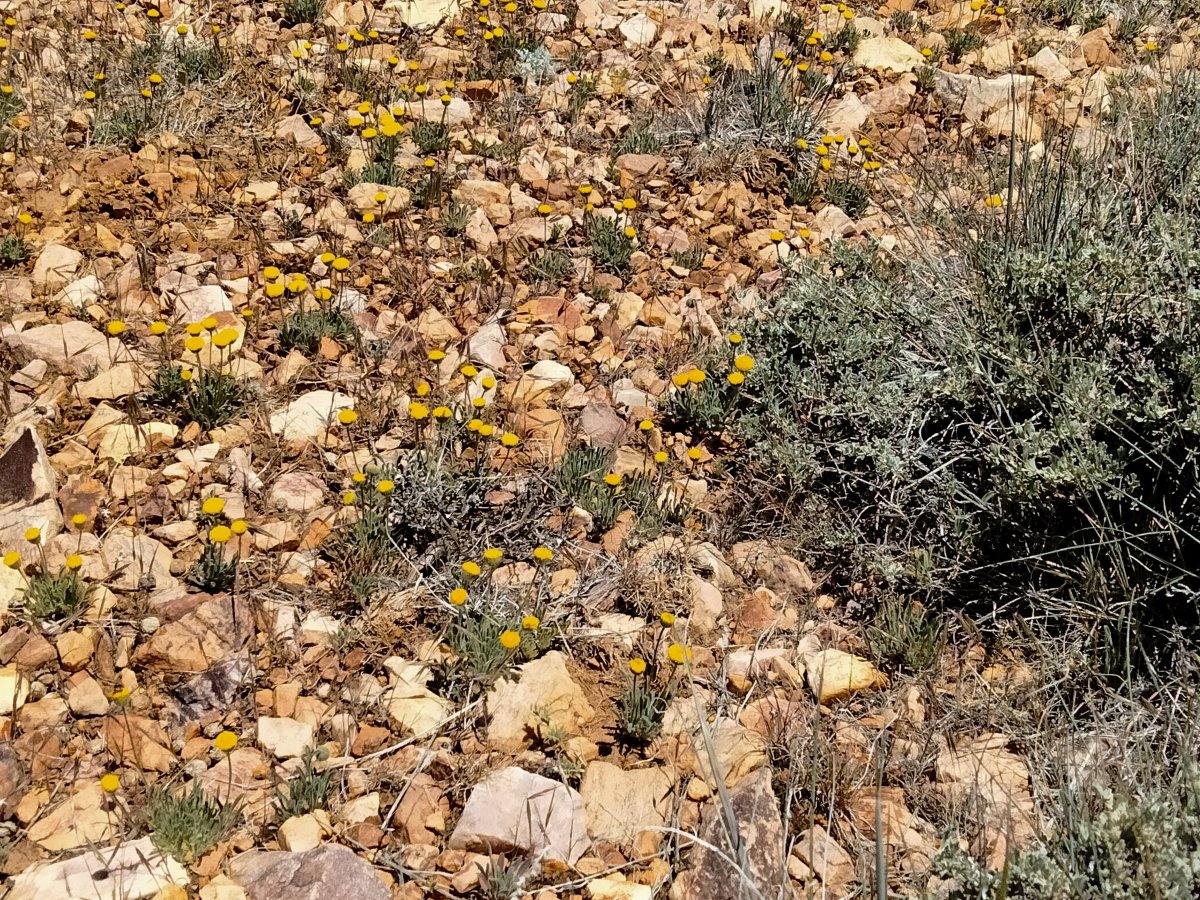
The Rayless Shaggy Fleabane with its yellow/orange button like flower heads.
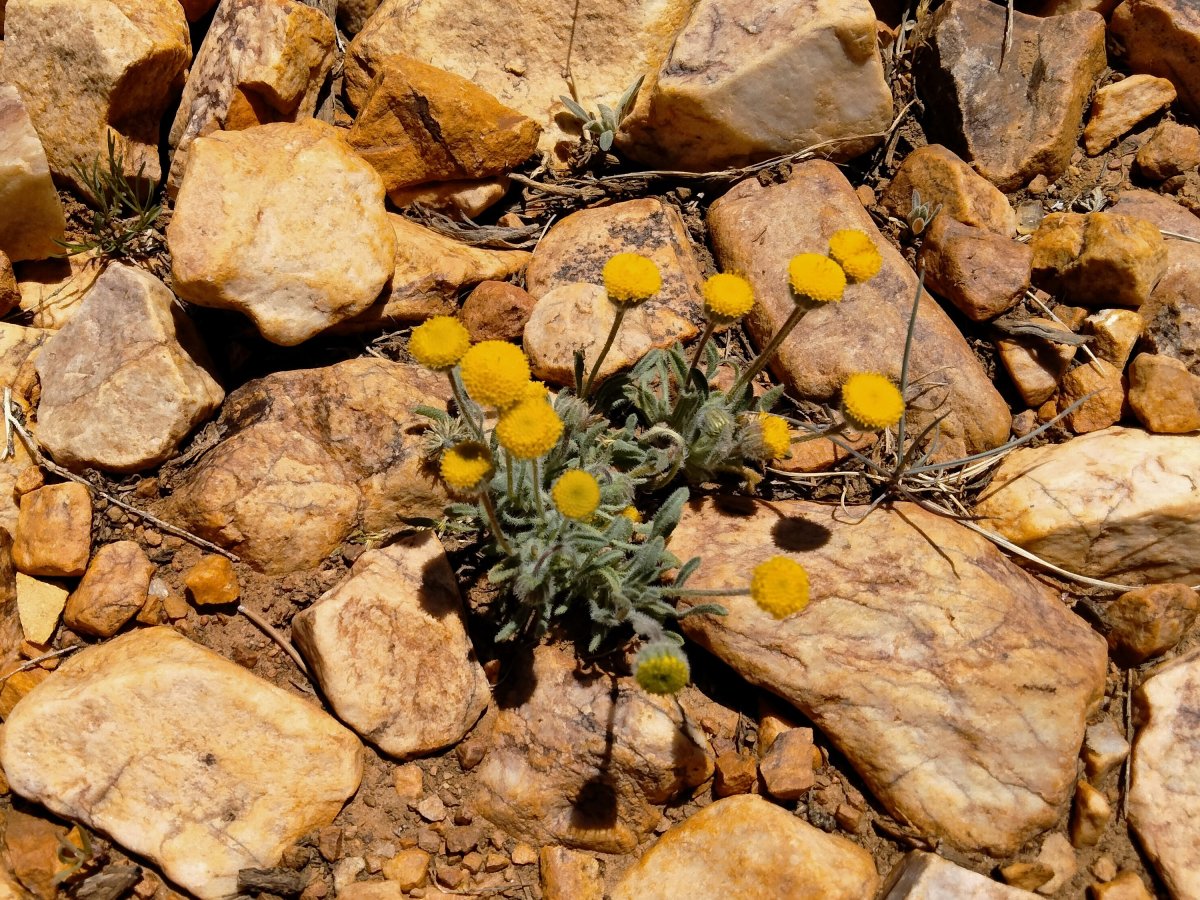
There was a lot of it in bloom.
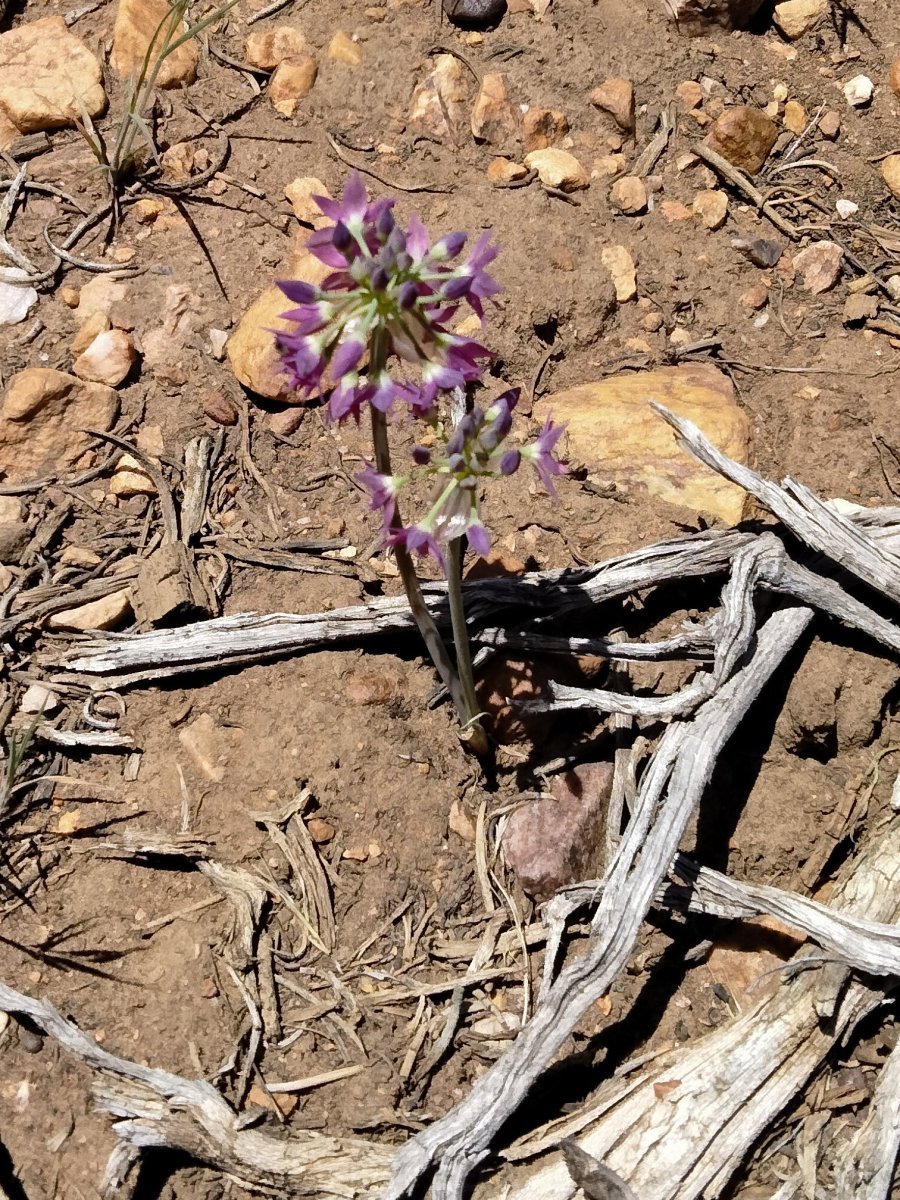
This is most likely Hooker’s Wild Onion (Allium acuminatum) but I am not 100% sure.
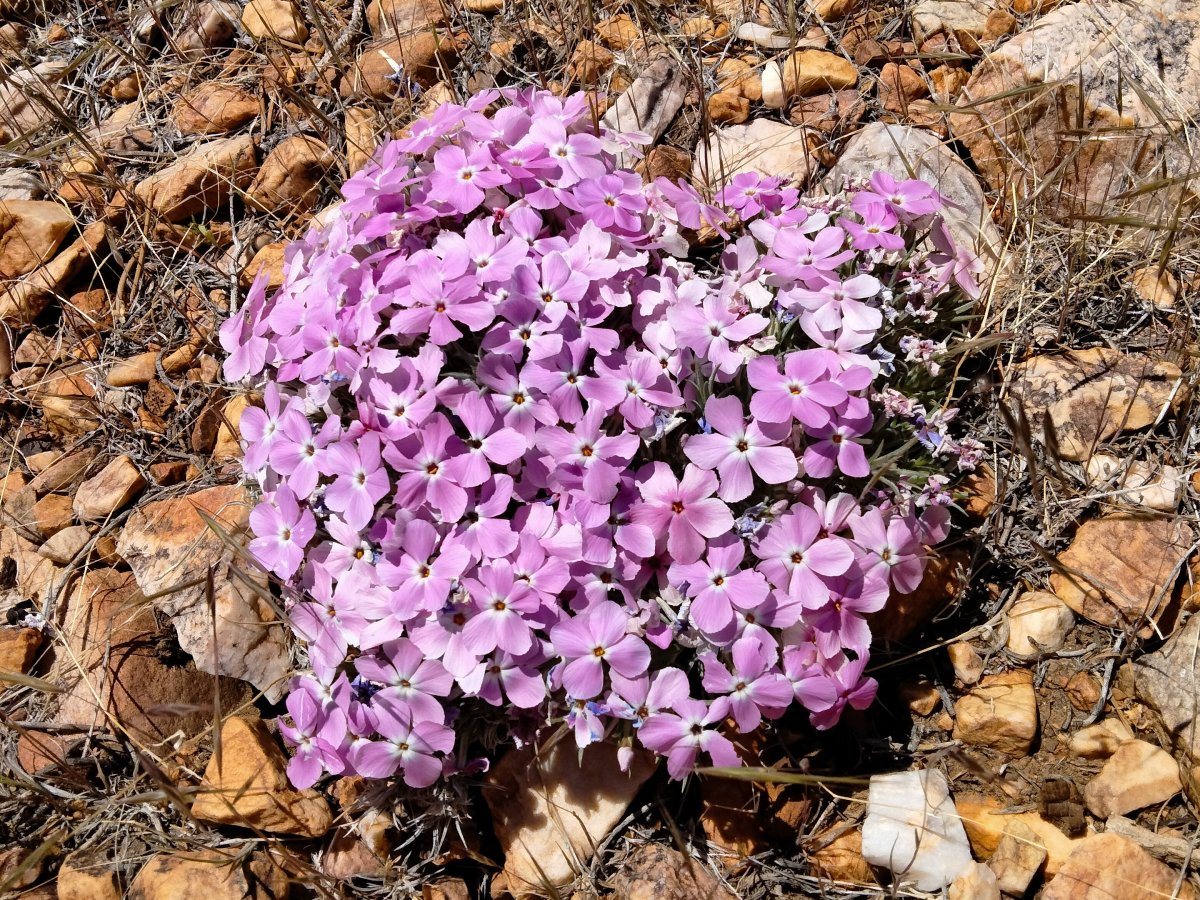
Not all of the flowers growing in the pebble plains are endangered like this Mountain Phlox.
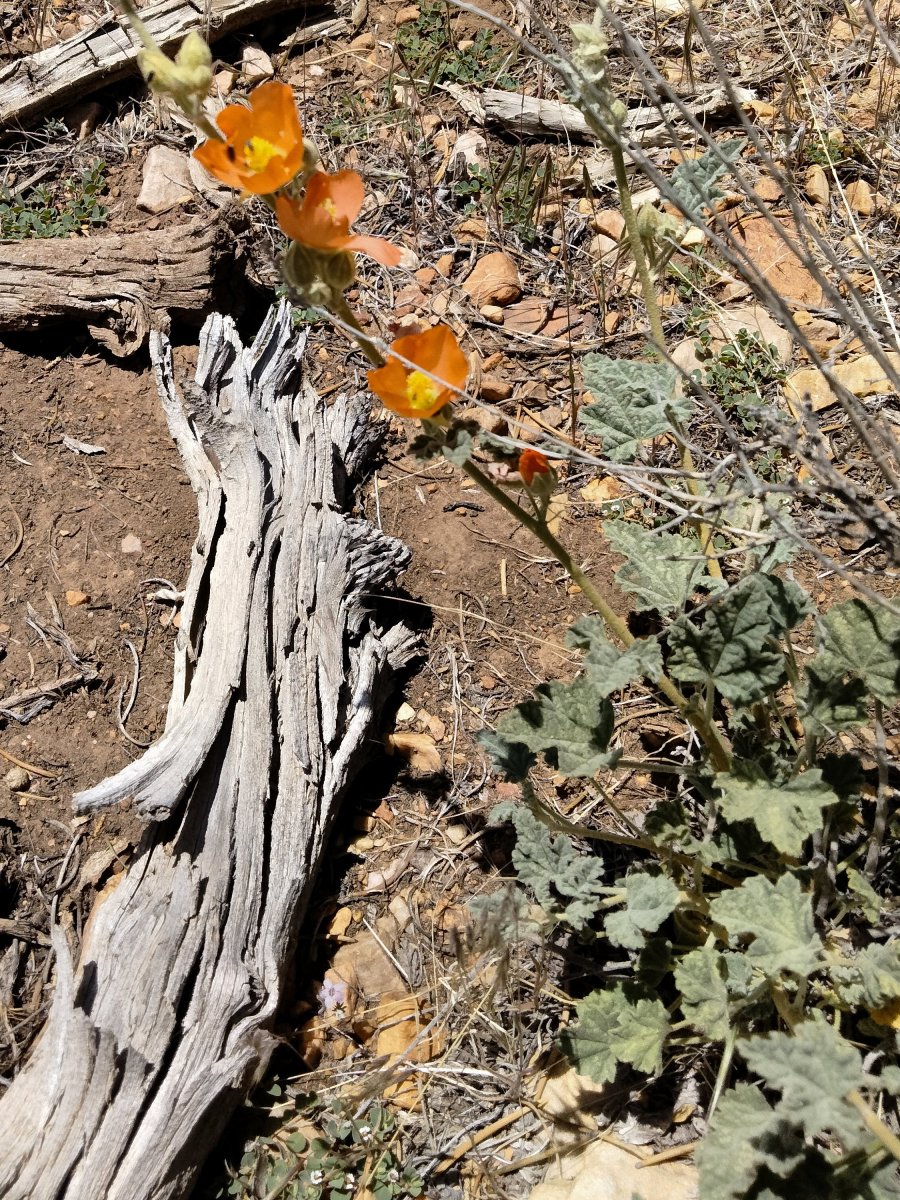
Just outside of the pebble plain area we saw wildfowers more commonly seen in the mountains.This plant commonly called Desert Mallow or Apricot Mallow has striking orange flowers.
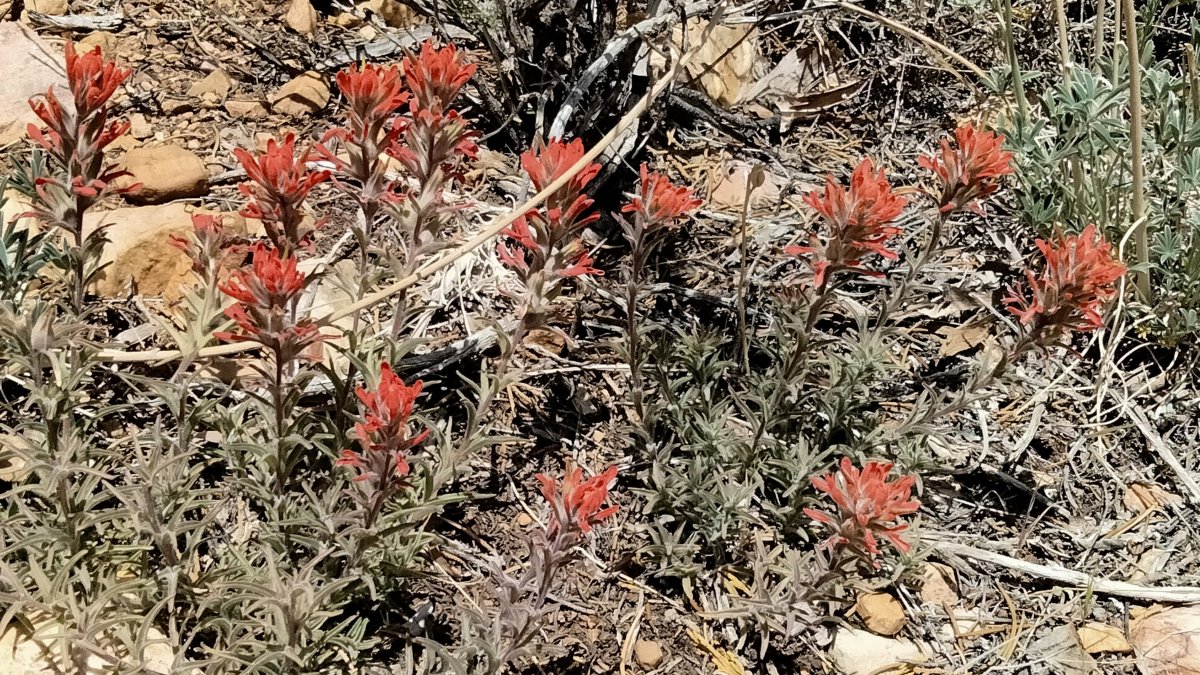
The Desert Indian Paintbrush (Castilleja angustifolia) with its orange-red bracts.
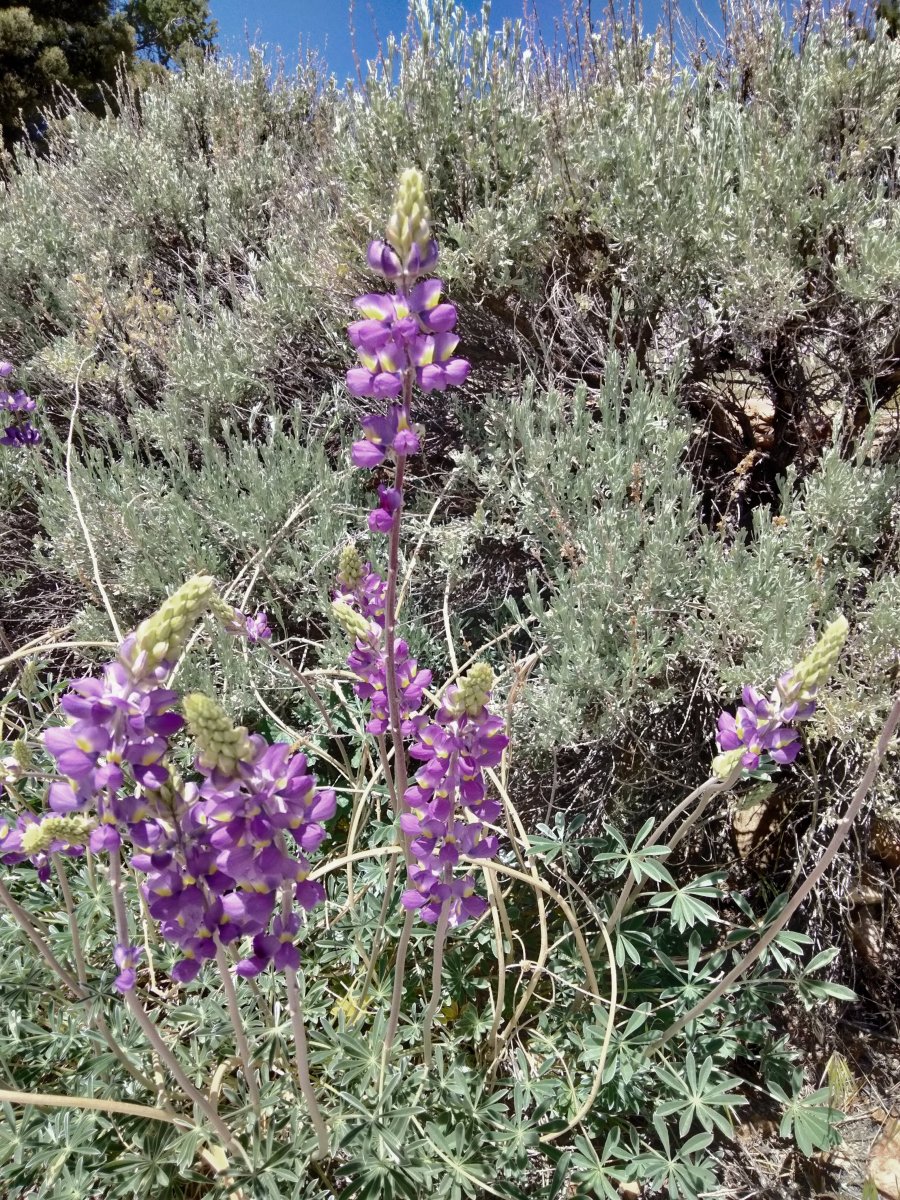
The Grape Soda Lupine which actually smells like grape soda.
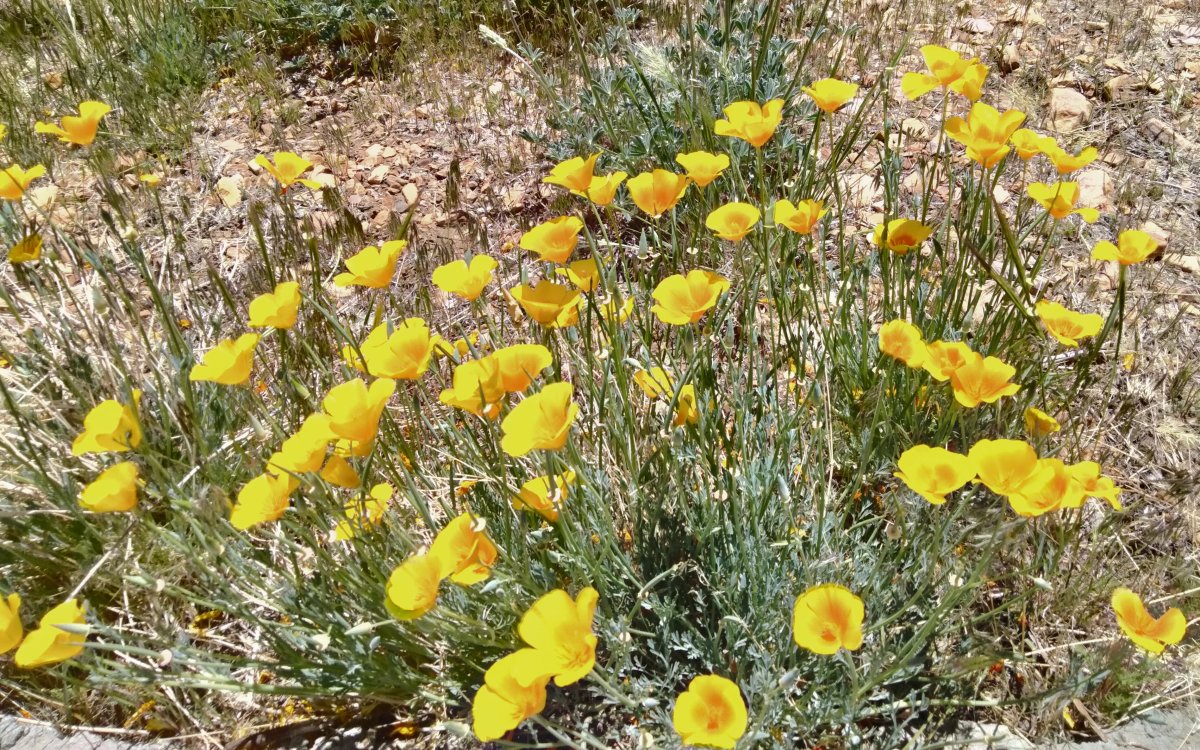
There were California Poppies.
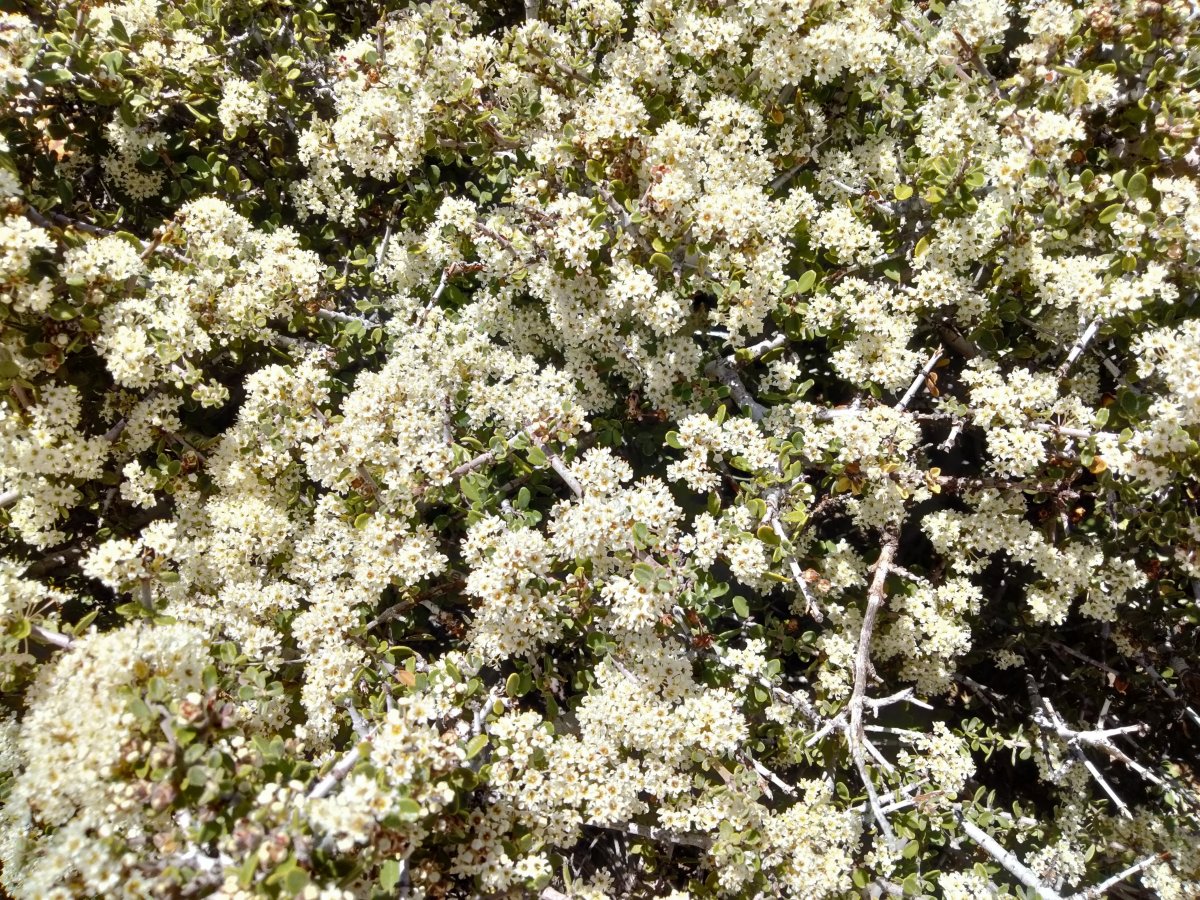
I’m not sure what this was but it had a lot of flowers.
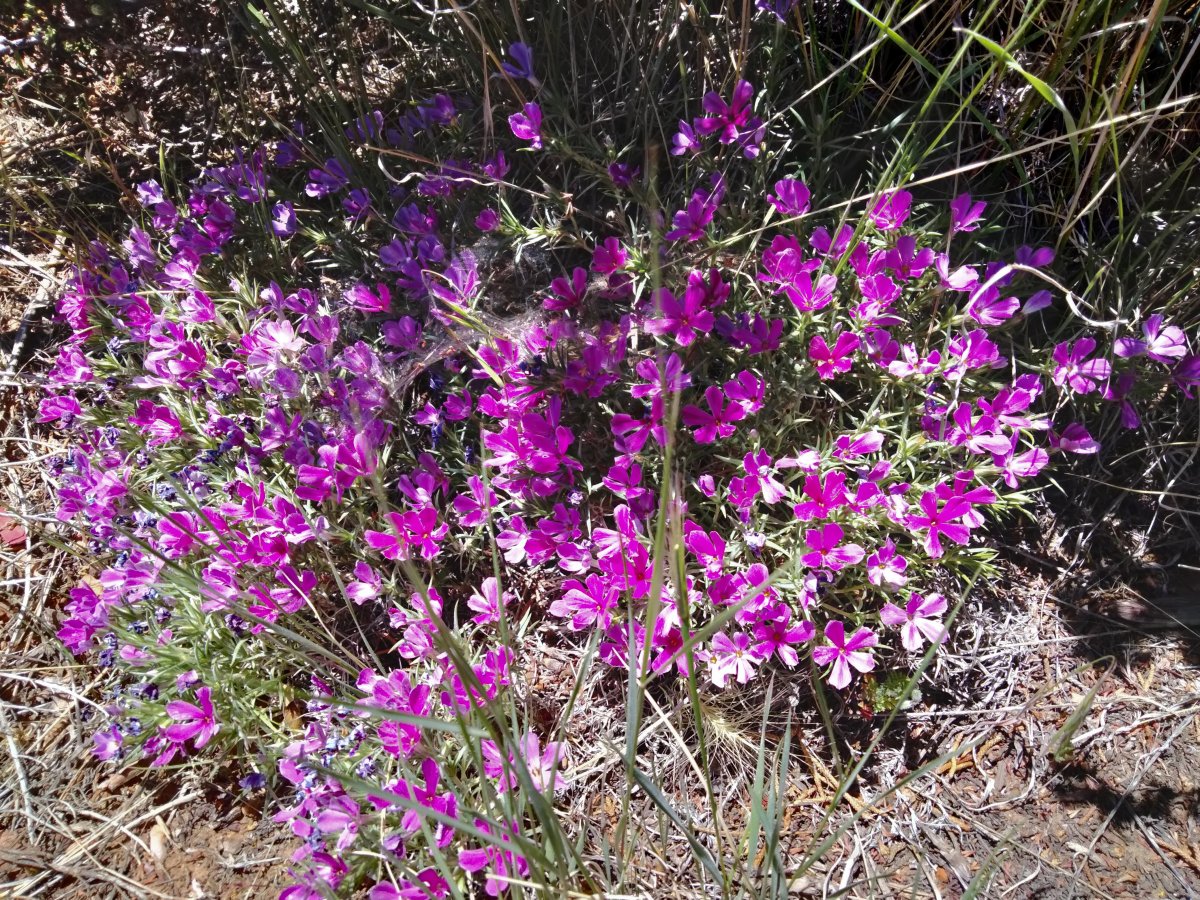
Another colorful plant, possibly Prickly Phlox.
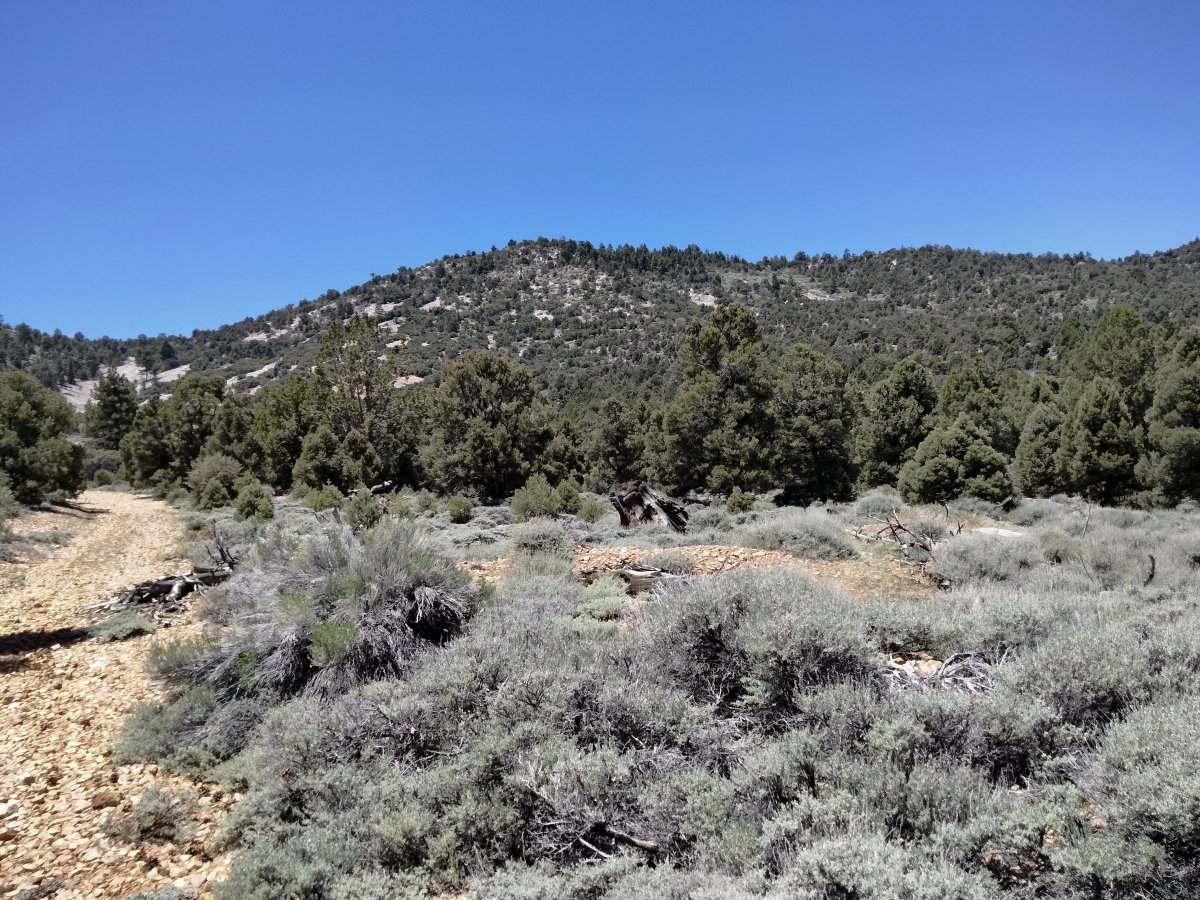
This is a road that once lead to some gold mines which were abandoned in the 1930s. Some evidence of the mining can still seen be seen in places in the distant hills.
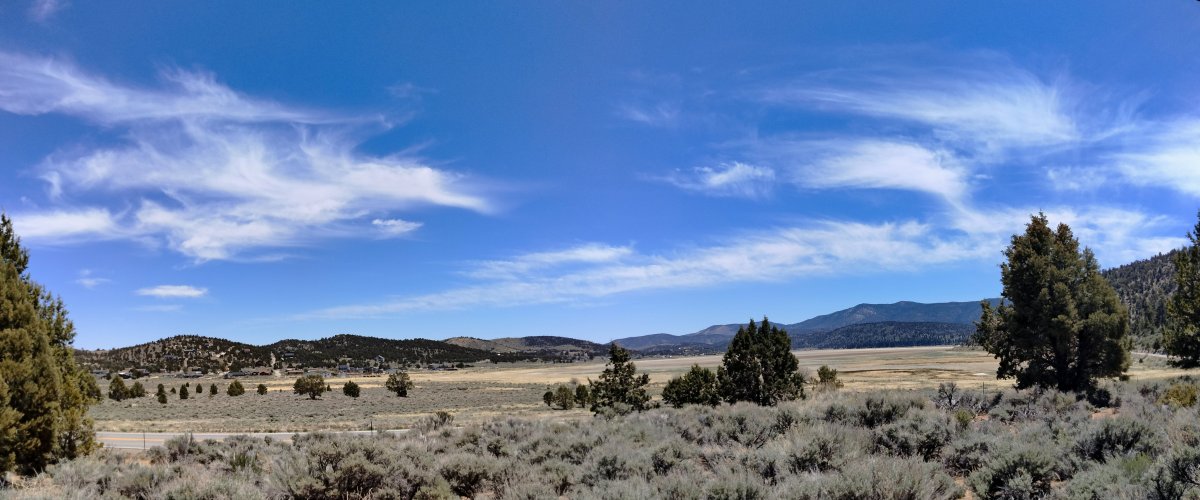
This is a panorama of the eastern portion of Lake Baldwin. This lake is intermittent and sometimes will dry up completely. In the picture the lake bed is the cream-ish color area.
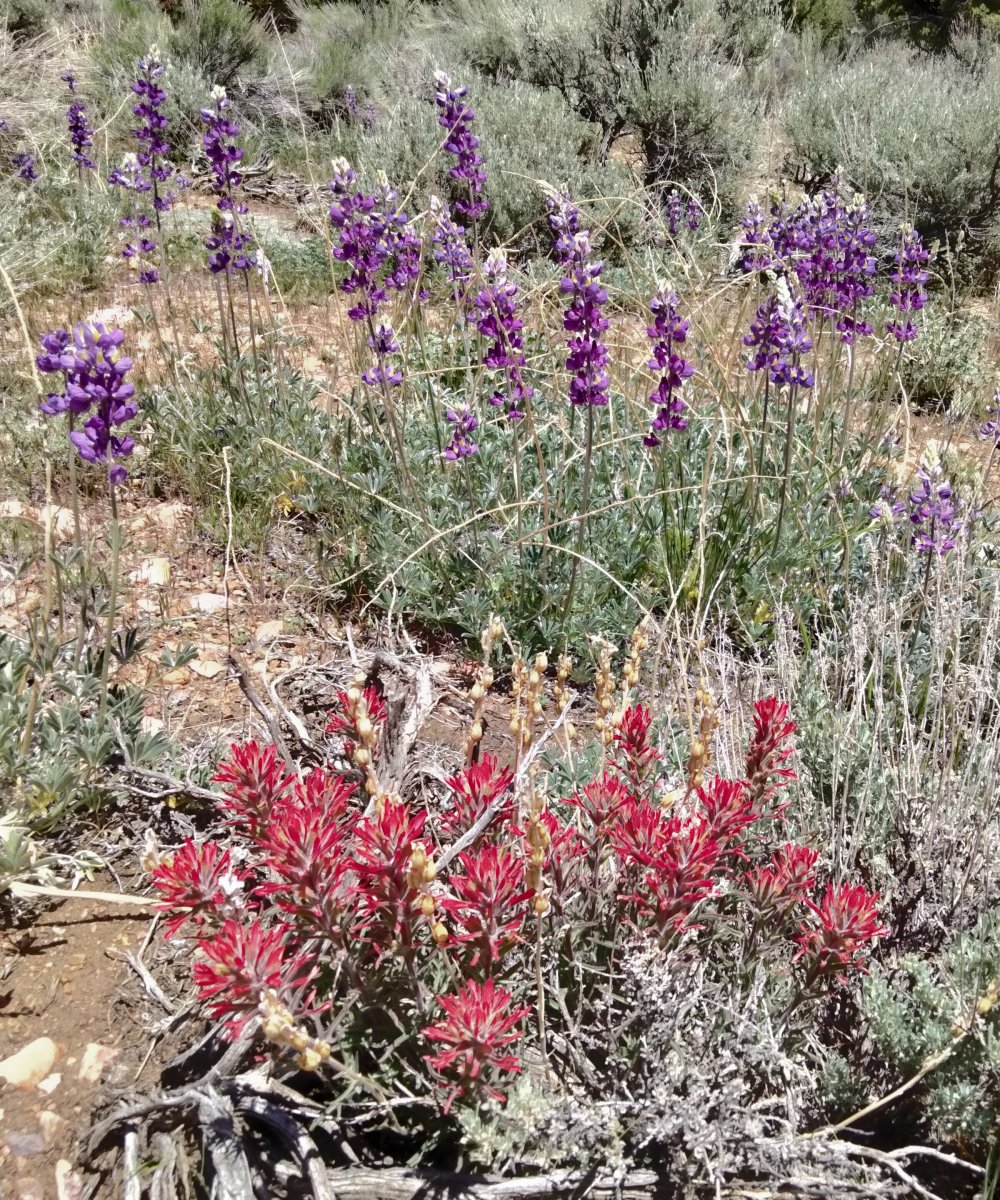
I will wrap up this exploration of the Baldwin Lake Ecological Reserve with some more wildflower pictures. There were lupine and indian paintbrush.
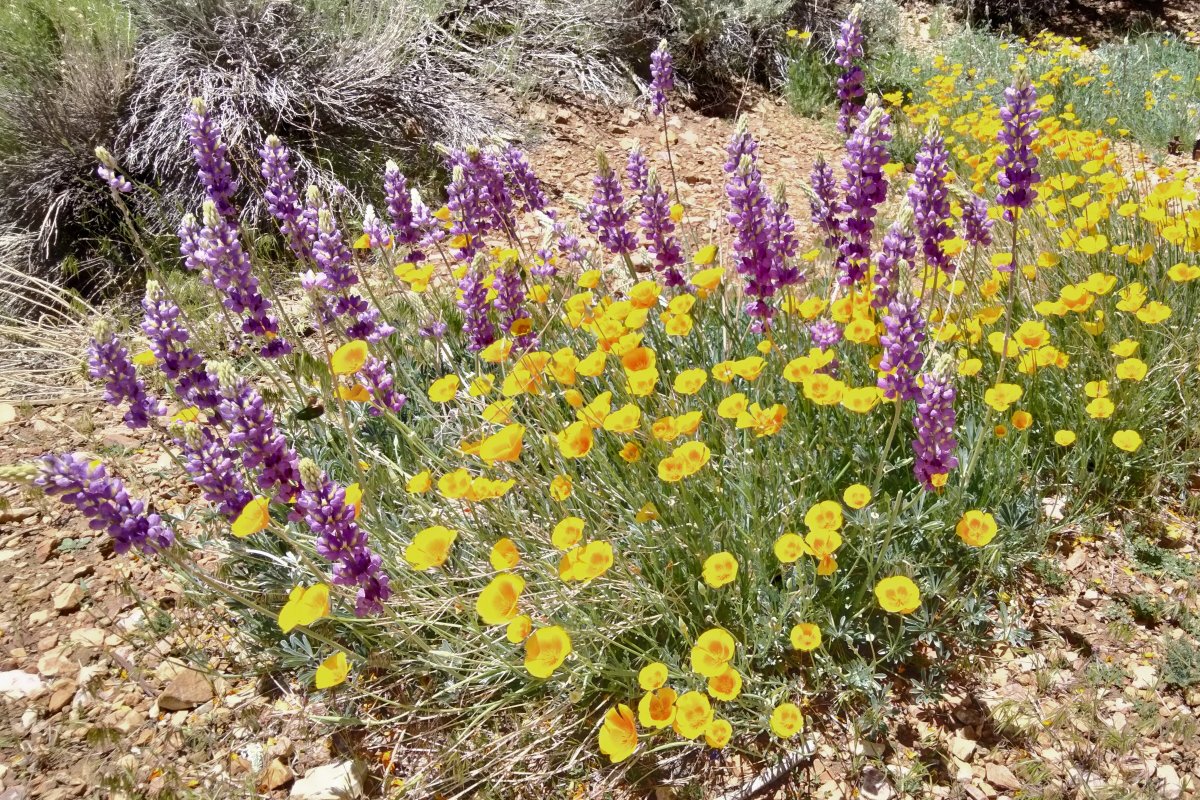
And lupine and poppies.
Our stop at the Baldwin Lake Ecological Reserve was both educational for the ecological aspects and enjoyable for the flowers viewing. Different wildflowers bloom at different times from April to June which will make for a reason to visit it again next spring.
For more pictures visit the Baldwin Lake Ecological Reserve Gallery
More information:
A 2001 article about the Baldwin Lake Ecological Reserve
Blog post on the Belly Plants of the Pebble Plains